REVIEW · VENICE
Creative Venice: Artisan Excellence and Craftsmen Workshops
Book on Viator →Operated by deTourist Venice Valerio Coppo · Bookable on Viator
Venice’s crafts beat any museum hour. Creative Venice takes you through real working rooms and small specialty shops, guided by deTourist Venice Valerio Coppo, where you’ll see how everyday materials turn into Venetian objects people actually live with. You also get a flexible private feel, so the pace can match your group.
What I like most is the hands-on sense of tradecraft: you’re not just looking at finished souvenirs, you’re watching the thinking behind them. I also love the variety of making in just a few hours, from ceramics and shoe repair logic to ancient paper marbling and fine textile weaving.
The main drawback to weigh: this is a workshop-style walking route, so it’s not built for “big sight” sightseeing. If you’re chasing only iconic views and church domes, you may find the craft stops slower than you expected.
In This Review
- Key highlights to pay attention to
- Why Venetian craft workshops feel different from tourist shops
- Campo San Giacomo di Rialto: start in Venice’s oldest thread
- The Pescheria moment: Rialto’s fish market as real local life
- San Polo ceramics: rural table values, not mass production
- Rialto shoe shop: recycling as a Venetian skill
- Campo Manin hats with a real Ecuador link: Giuliana’s shop
- Campo Santo Stefano and papermaking: marbling that copies lagoon light
- San Salvador atelier: sculptural jewelry and glass flowers
- Murano glass jewelry: hand-made beads and lamp-working craft
- Cannaregio textiles: soprarizzo velvet and historic looms
- How to pace yourself on this 3-hour craft route
- Price and value: why $182.17 can make sense here
- Who should book Creative Venice (and who should skip it)
- Should you book Creative Venice?
- FAQ
- How long is the Creative Venice tour?
- Where do I meet the guide?
- Is pickup available?
- Is the tour offered in English?
- Are there admission tickets at the stops?
- Is cancellation free?
Key highlights to pay attention to

- Valerio Coppo’s storytelling keeps the stops from feeling like a checklist.
- Working artisans, not showroom walls, with time to talk and watch.
- Free admission at each listed stop, so your money goes to the experience, not ticket stacking.
- Murano glass and lamp-working techniques show up again near the end, not just as a distant side quest.
- Ancient methods still in use, including historic-style looms and paper techniques tied to lagoon colors.
- No hard-sell vibe is part of the appeal, so you can browse without stress.
Why Venetian craft workshops feel different from tourist shops
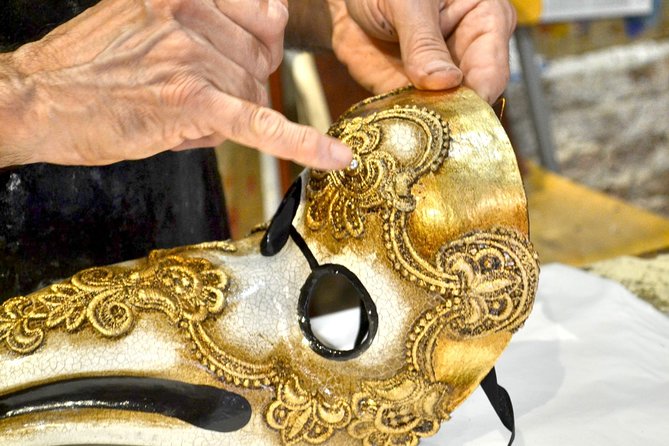
Venice makes it easy to buy things that look Venetian. This tour helps you understand how those things get made. That matters because the city’s best creations aren’t only about the final object. They’re about technique, local materials, and the long habit of repairing, recycling, and passing skills down.
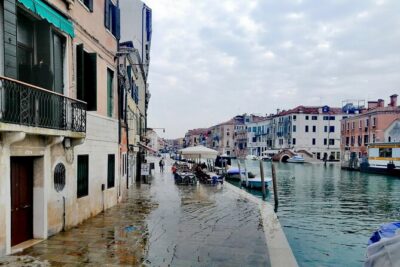
In about three hours, you move through the neighborhoods around Rialto and out toward Zattere, with short stops that don’t overstay their welcome. Each one is designed to give you context: what the object is for, why it uses certain materials, and what has been preserved as industrial production took over elsewhere.
You’ll walk more than a “ride-and-stop” tour. But the payoff is that you’re seeing Venice as a network of trades, not a single postcard scene.
You can also read our reviews of more tours and experiences in Venice


Campo San Giacomo di Rialto: start in Venice’s oldest thread
Your day begins at Campo San Giacomo di Rialto, right in the center, in front of a church that’s traditionally considered among the oldest in town. The point of starting here is simple: it’s the kind of square where Venice’s layers feel close together. You get your bearings fast, and your guide can use the immediate street life as the opener for how trades and neighborhoods grew.
This is also a good moment to do a quick reality check. Venice walking can feel easy until it isn’t. Wear comfortable shoes and keep an eye on the pavement. You’ll be in and out of small spaces for the next few stops, so you want your feet ready.
The Pescheria moment: Rialto’s fish market as real local life
Next comes the fish market at Rialto, a place that doesn’t try to impress you. It just does its job loudly and honestly. Expect the chaos: fishmongers calling out, gulls wandering through the scene, and stalls stacked with crushed ice.
What makes this stop worth your time is the way your guide frames it. Fish here isn’t background scenery. It’s part of Venetian life stretching back centuries, with an artful arrangement that turns a daily task into a kind of public craft. You’ll notice how the market works as a system—people browse with purpose, and the whole place moves with rhythm.
A small consideration: this is a market. It can smell like one. If you’re sensitive, keep a handkerchief or something similar in your bag and expect a lively sensory moment.
San Polo ceramics: rural table values, not mass production
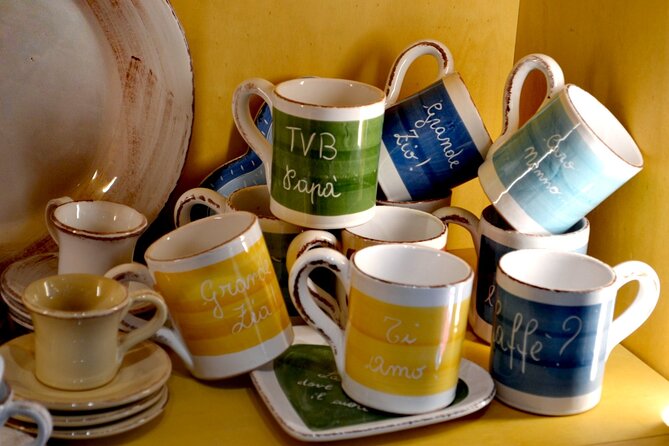
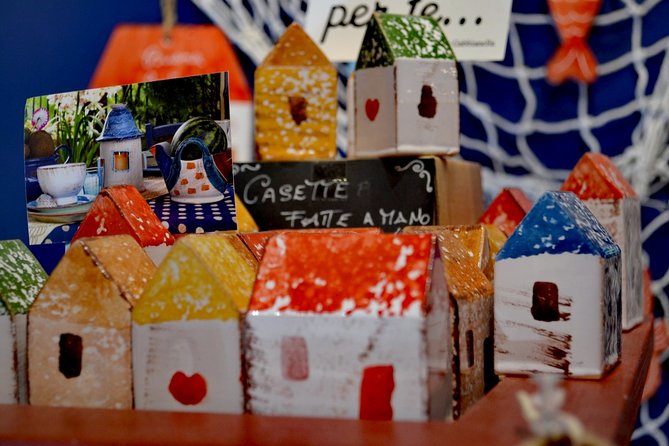
In San Polo, you visit a local artisan tied to traditional rural products made with materials and methods that have mostly disappeared from industrial production. The emotional angle matters here: these objects are linked to family meals, gatherings, and the everyday ritual of preparing and celebrating at home.
You’ll see ceramics made with bright colors and lively patterns, designed to feel rustic and warm but still refined. The practical takeaway for you: buying a piece like this isn’t only buying decoration. You’re supporting a way of working that keeps old processes alive—and you’re more likely to find something that doesn’t look generic once you’re back in your own kitchen.
If you’re the type who likes to understand origin stories, this stop will click. If you only want one or two photos, it may feel like more “talk than view,” but the craftsmanship gives you something concrete to focus on.
Rialto shoe shop: recycling as a Venetian skill
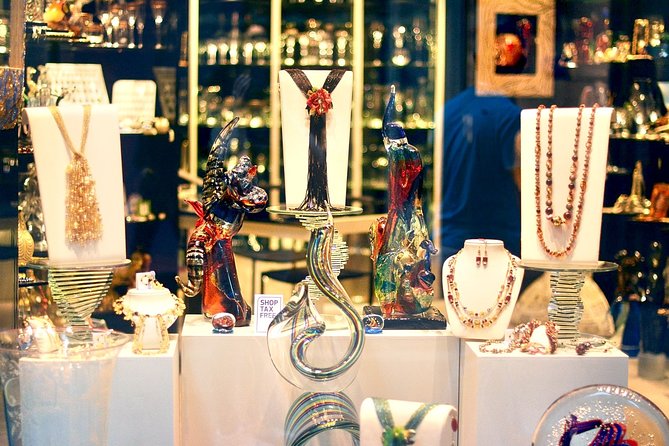
Then the route shifts to footwear, with a traditional shoe shop that uses the logic of recycling. The concept is practical and clever: instead of wasting materials, the shop turns what’s available into usable parts.
You’ll hear how old bicycle tyres can become waterproof, hardwearing soles. Jute sacks—once used for seeds and grains—can be transformed into linings. Even fabrics and rags from old clothes can become the uppers. That’s not a marketing slogan. It’s a working method shaped by necessity and craft knowledge.
This stop is also where the tour touches on style through tradition. You’ll see generations of shoes that keep that “Venetian recycling” mentality, including slippers called Veneziane, inspired by the 18th-century Venetian republic. They can be embellished with velvet or bright oriental silks, and they’re described as hand-sewn.
Practical note: if you’re thinking of buying, don’t assume everything will be in your size in a small shop. This is better as a technique lesson and a browsing stop unless you already know what you want.





Campo Manin hats with a real Ecuador link: Giuliana’s shop
At Campo Manin, you meet Giuliana, a local stylist whose small shop is full of hats—Panama styles, gondolier hats, Carnevale hats, waterproof options, wool choices, and even wedding hats. The special detail here is the direct connection to Ecuador: since 1980, Giuliana has imported her Panama hats directly.
The shop’s official recognition as a historic place of the Veneto Region also gives this stop a sense of permanence. You’re not just popping into a random boutique. You’re visiting a long-running specialty business with a track record.
Consideration: hats take space. If you’re traveling light, plan your packing. Also, if you don’t care about headwear, you might want to keep this stop as a browse-and-learn moment rather than a long fitting session.
Campo Santo Stefano and papermaking: marbling that copies lagoon light
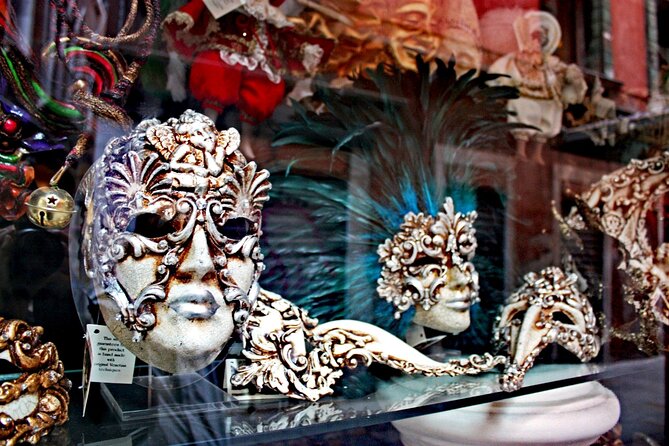
At Campo Santo Stefano, you meet a maestro marmorizzatore, a master papermaker specialized in ancient paper techniques. The name itself matters: maestro is both a word for expert and a respectful way Venetians greet an older person.
The craft here is about color and texture—how water and light become pattern. The shop’s work is inspired by Venice, described as suspended between sky and water. Lagoon water changes tones through the day, and these methods are meant to reproduce those shifts.
Two concrete examples are especially memorable: sheets with flower themes (tulips, roses, trees) and a series of fish that appear smiling—figures “petrified” on paper in a way that’s compared to fossils embedded in primordial seas.
If you like art that looks simple but hides technique, this stop is a keeper. And if you’re a writer, photographer, or design person, you’ll likely leave with ideas about how to see Venice differently—not just as buildings and water, but as surface and color.
San Salvador atelier: sculptural jewelry and glass flowers
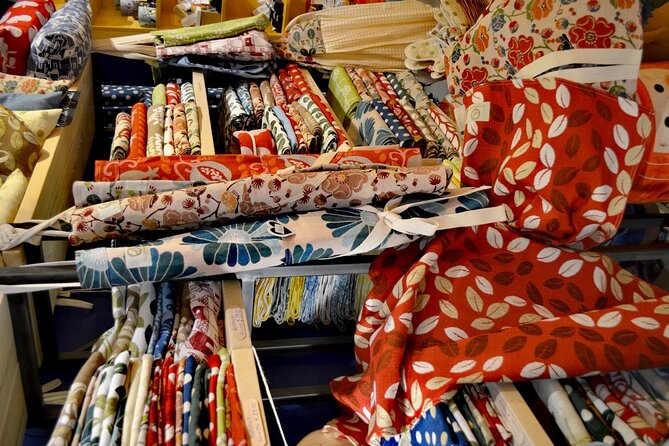
In Chiesa di San Salvador, between Rialto Bridge and St. Mark’s area, you step into a cozy atelier run by a couple of artists who have been working there since 2007. The point of this stop is intimate scale: you’re seeing objects made for close viewing, not mass display.
Expect rare collections of original sculptures and jewelry, along with delicate glass flowers, dreamlike shapes cut from iron, reborn trees made from wood, and nomadic, landscape-like pieces. It’s the kind of place where you’ll want to slow down because the details are the point.
This stop can be a morale boost if your feet are getting tired. Indoor work spaces feel like a reset. The tradeoff: if you’re short on time and only want quick outdoor photos, this atelier may feel like it takes up too much of the “walking tour” vibe—but it’s worth it if you enjoy objects with personality.
Murano glass jewelry: hand-made beads and lamp-working craft
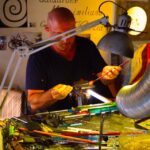
Back toward the Rialto area, you visit a shop producing jewelry in Murano glass. The key thing here is that the work is described as entirely done by hand using refined Venetian tradition, and the beads you see are made by small local workshops.
You’ll hear about experience in glass blowing and lamp-working techniques. For you, the value is seeing how a single bead type can represent hours of skill—heat control, shaping, and finishing. It’s also a useful counterpoint to the earlier stops: shoes, textiles, ceramics, paper—all rely on specialized processes, but glass shows the precision side of Venetian craft.
If you want to buy something small and meaningful, jewelry is a good category because the craft is visible even after you leave. Just remember that hand-made pieces can vary; take time to inspect what you like in person.
Cannaregio textiles: soprarizzo velvet and historic looms
The final craft stop brings you to Cannaregio, where a textile company produces fine fabrics for furnishing and high fashion: velvets, damasks, lampases, brocatelles, and the special soprarizzo velvet. What sets this apart is that soprarizzo production is still carried out by 18 looms of the 18th century, previously belonging to the silk guild of the Republic of Venice.
Even if you don’t care about fabric names, the underlying lesson is big: these aren’t “inspired by” products. They’re made with older techniques that still shape the final texture and look. That’s why a stop like this works well for visitors who love design, theater, interior details, and fashion history.
One practical note: textile shops can be visually dense. If you’re easily overwhelmed, tell your guide what you like—texture, color, or historical detail—so they can point you toward what matters most.
How to pace yourself on this 3-hour craft route
This tour runs about three hours with short visits (many stops are around 15 minutes). That structure is a gift. You get variety without getting stuck in any one shop for too long, and your guide can adjust timing based on your interests—especially since the tour is described as flexible for private groups.
Here’s how I’d make it work for you:
- Bring comfy shoes and expect uneven old streets.
- Have a small question list ready: What material choices make sense here? How is the technique kept alive?
- If shopping appeals to you, use the tour as research first. Learn what’s special, then decide.
- Use the indoor stops as breaks. They’re good for cooling down and resetting.
Also, the guide’s tone matters. Valerio Coppo is described as entertaining with lots of anecdotes, and the pacing is meant to feel leisurely rather than rushed.
Price and value: why $182.17 can make sense here
At $182.17 per person for about three hours, this isn’t a budget “walk and watch” tour. But you’re not paying only for a walk. You’re paying for access to specialized places, a licensed guide, and the ability to slow down and understand what you’re seeing.
A big value point in the details you have: each listed stop indicates free admission. That means your cost isn’t inflated by ticket fees stacked across multiple venues. Instead, the price is tied to the guide, the route, and the ability to connect with people doing the work.
And because it’s positioned as private for your group, you’re more likely to get questions answered and attention tailored to what you care about—glass, textiles, paper, or everyday craft logic.
The tradeoff is simple: you need to like crafts and hands-on process. If you only want architecture highlights, you may find better value in a standard sightseeing loop.
Who should book Creative Venice (and who should skip it)
This fits best if you enjoy:
- watching skilled people work in real spaces
- design details you can explain after the trip
- buying fewer, better things with a story behind them
- Venice beyond the usual museum path
It may not be the best choice if you want:
- long cathedral time or major panoramic viewpoints
- a mostly outdoor photo tour with minimal indoor stops
The good news is that the tour’s craft focus still works even if you don’t plan to buy. The experience teaches you how to see Venice’s objects as local technology and local culture.
Should you book Creative Venice?
If you want Venice that feels personal and specific—through paper color, velvet looms, and Murano glass beads—this is a strong pick. The guide’s personality and the pace matter here, and the route is built so you can take it all in without feeling like you’re sprinting across town.
I’d book it if you’re the kind of traveler who enjoys understanding how things are made, and you like asking questions in small shops. I’d skip it if you’re mainly there for landmark-only touring and don’t care about artisan process.
FAQ
How long is the Creative Venice tour?
It runs for about 3 hours.
Where do I meet the guide?
Meet at Campo San Giacomo di Rialto, at the church in the square near the fountain.
Is pickup available?
Personalized pickup is possible only if you book a private group. If not, you meet at the general meeting point in Campo San Giacomo di Rialto.
Is the tour offered in English?
Yes, it’s offered in English.
Are there admission tickets at the stops?
The tour details list free admission for each of the stops mentioned.
Is cancellation free?
Yes, you can cancel for a full refund if you cancel at least 24 hours before the experience start time.